Receive monthly a dose of inspiration, beauty and discovery.
The Museum’s History
Explore the history of the museum with us
- The museum’s first municipal collection predates the museum itself. It was established in the 1830s through acquisitions made by the City from young artists native to the region—including Léon Bonnat (1833–1922) and Achille Zo (1826–1901)—as well as works deposited by the French State. Comprising works by local artists, this collection forms the core of the museum’s municipal holdings. In parallel with the opening of a new municipal school of drawing and painting in 1871, these acquisitions reflected the City’s commitment to supporting artistic creation.
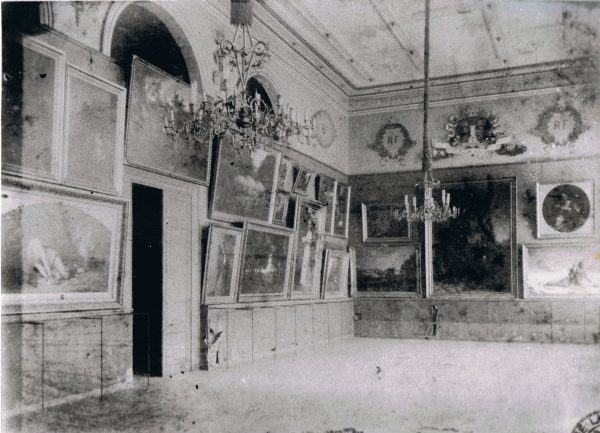
- In 1873, the collections, which had outgrown the rooms of the Town Hall, were transferred to the theatre foyer, where they were brought together under the name Musée de Peinture (Museum of Painting). In 1882, however, part of the Bayonne Municipal Council wished to return these spaces to theatre audiences and proposed relocating the collections to the town’s former market hall. The project gained momentum following the fire that destroyed part of the library and natural history collections in 1889, and the architectural programme was approved in 1891 in preparation for the design competition.
- On this occasion, the Bayonne-born painter Léon Bonnat (1833–1922), who had received a municipal scholarship—granted through the support of Mayor Jules Labat (1819–1914)—to study at the Schools of Fine Arts in Madrid and later in Paris, announced his intention to donate the vast collection he had assembled to his hometown.
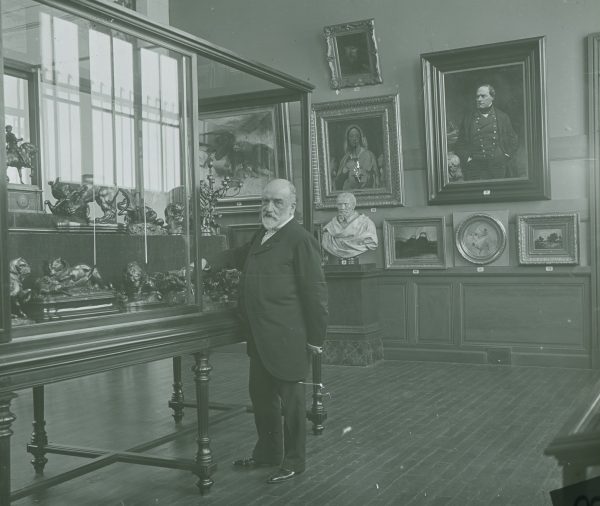
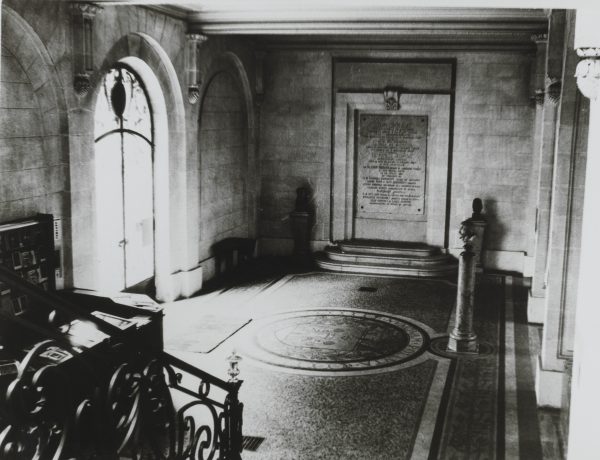
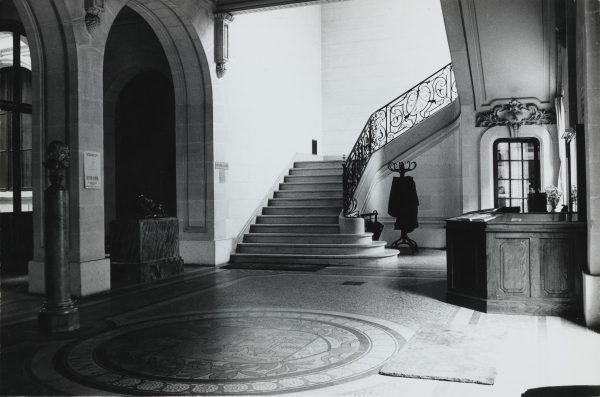
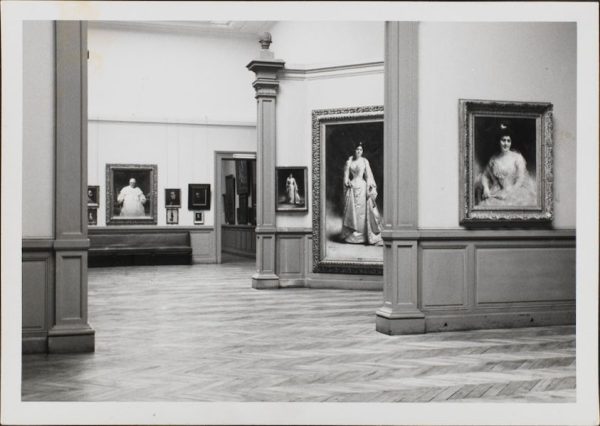
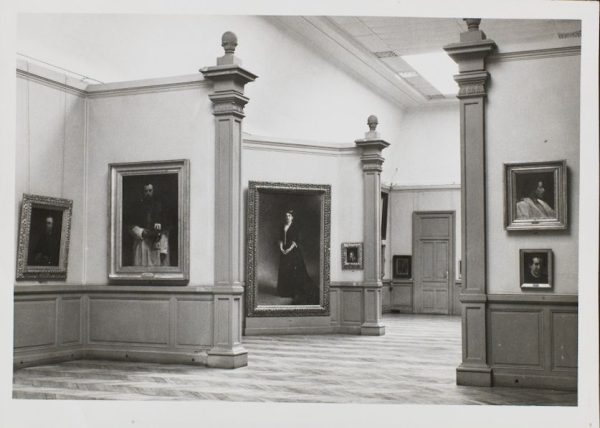
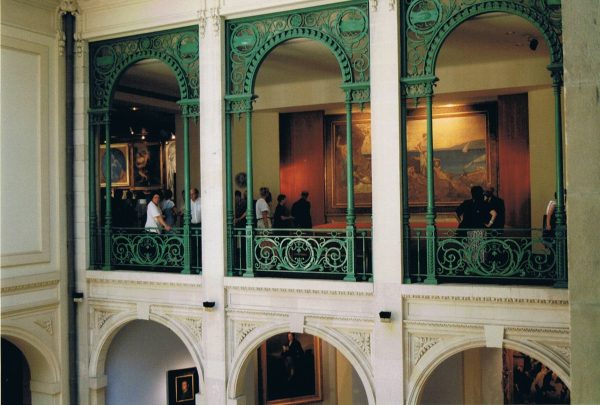
- The chosen site stood at the corner of Rue Jacques-Laffitte and Rue Frédéric-Bastiat, in the town centre, near Saint Andrew’s Church, where Léon Bonnat had painted an *Assumption of the Virgin*. In 1896, Mayor Léo Pouzac laid the foundation stone of the future museum, and the classical limestone building was completed eighteen months later. Inaugurated in 1901, it was conceived as an educational institution, housing the archives, the library, the museum of paintings and the natural history museum under one roof. When the Bonnat Museum opened, the artist and collector personally oversaw the installation of his collection while drafting the will through which he bequeathed almost all of his works to the French national museums, on the condition that they be permanently deposited in Bayonne. This provision established a lasting bond between the Louvre Museum and the Bayonne Museum of Fine Arts, fostering significant exchanges between the two institutions from the beginning of the twentieth century.
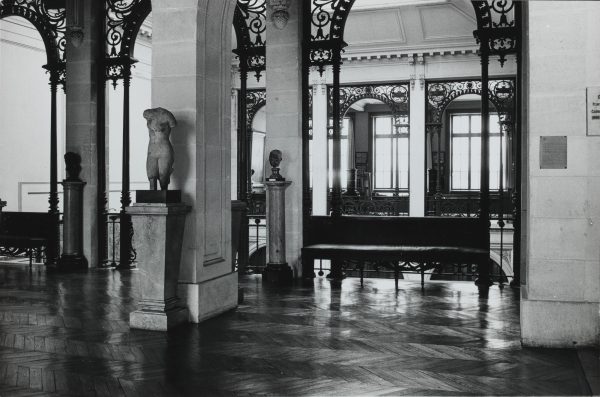
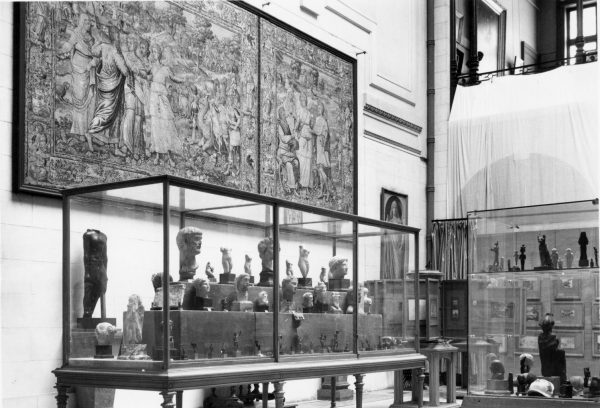
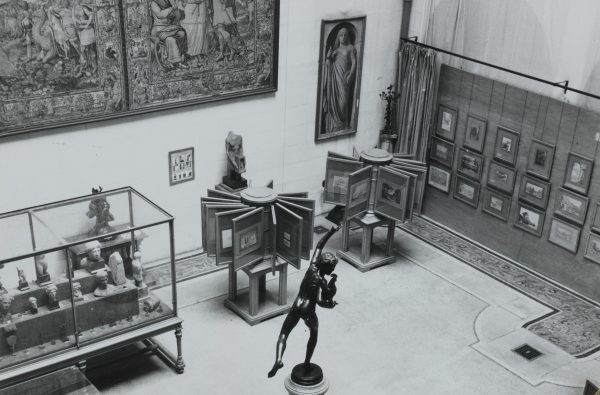
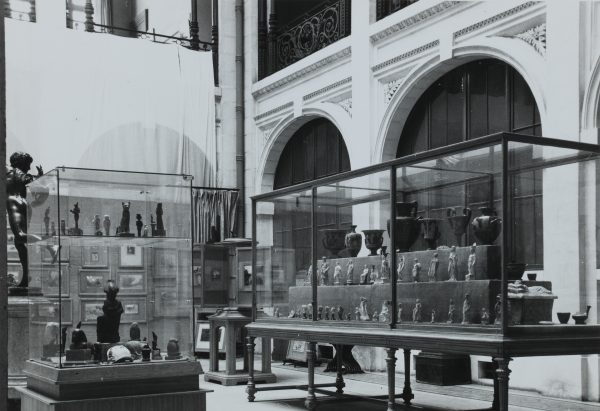
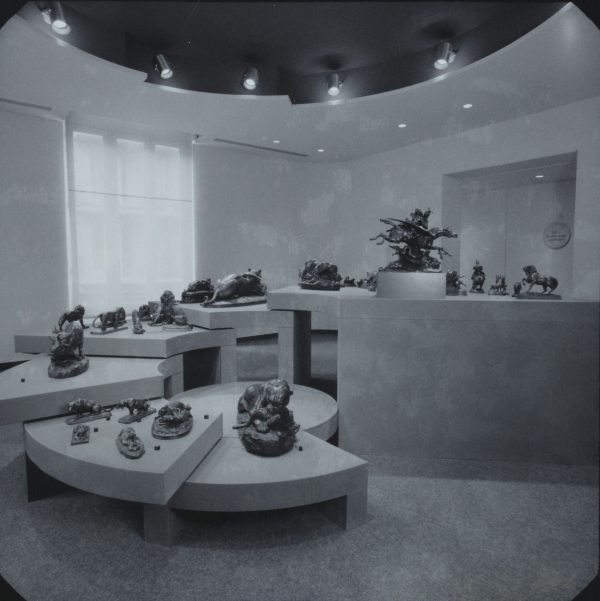
- In 1922, the museum was remodelled to accommodate the expansion of its collections following the death of Léon Bonnat, with the arrival of the works that had remained in his private mansion on Rue Bassano in Paris. In addition to decorative arts and antiquities, the collection was enriched by numerous sculptures, including a series of bronzes by Barye (1795–1875) and works by Henri Chapu (1833–1891), as well as 374 paintings representing the major European schools and more than 1,800 drawings of exceptional quality.
- Léon Bonnat’s generosity inspired other artists and collectors to enrich the collections of what would become the leading fine arts museum of the Basque Country. In 1921, the Derrecagaix bequest brought sketches by Rubens into the collection, while in 1936 the bequest of Antonin Personnaz (1854–1936) introduced works by the Impressionists and the Nabis.
- During the Occupation, the museum remained open to provide recreation for the occupying soldiers, and paintings from the collection were displayed in the offices of the Kommandantur. At the end of the war, the building was requisitioned for the rationing service.
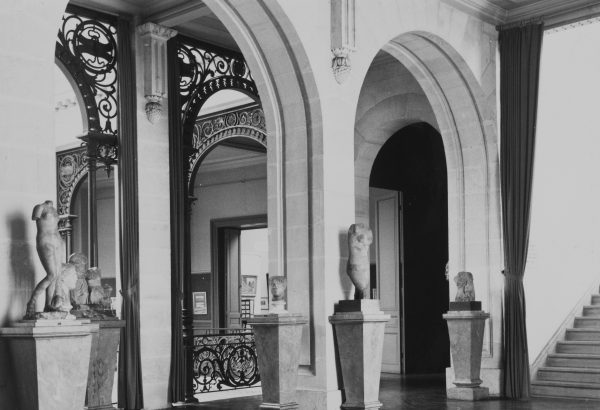
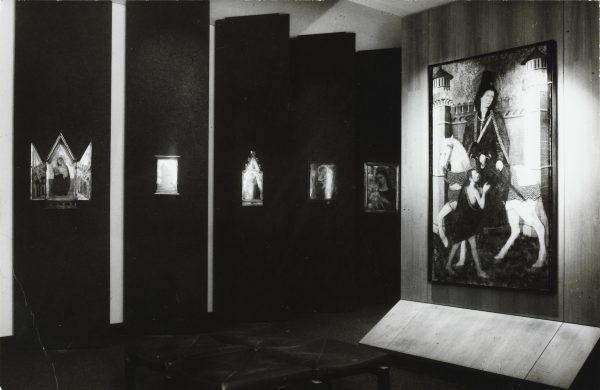
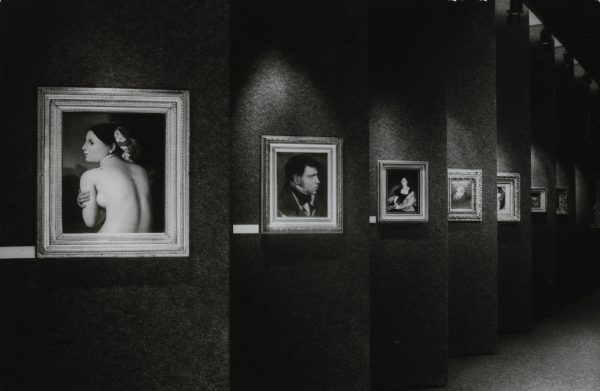
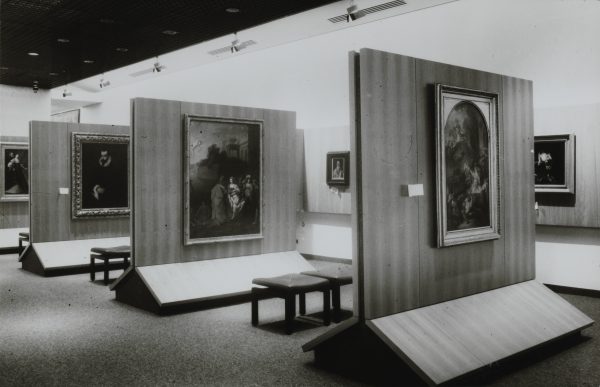
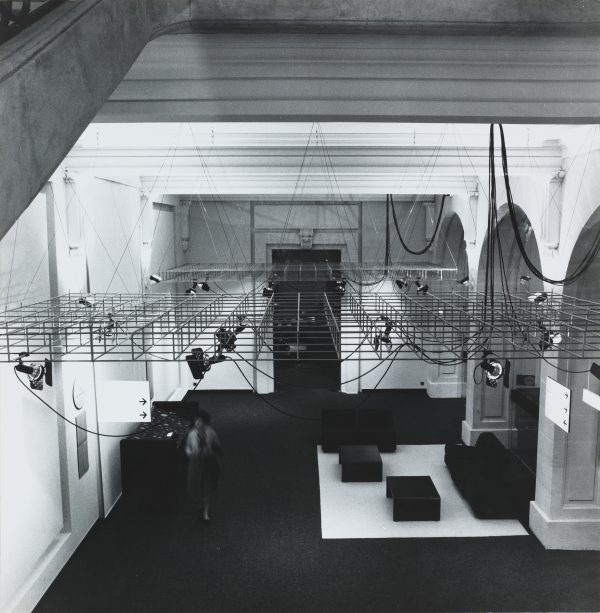
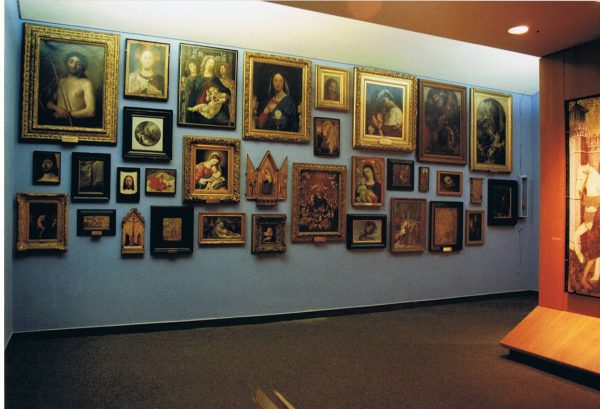
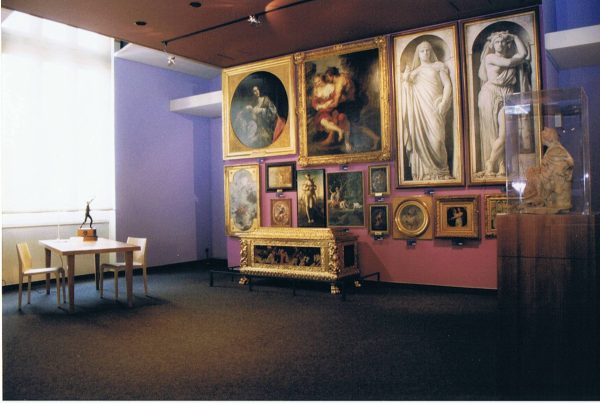
- From 1975 to 1979, a major renovation project modernised the presentation of the collections, following the relocation of the municipal library, which allowed the museum to occupy the entire historic building.
- In 1991, the opening of the Carré Bonnat, a contemporary art space associated with the museum, marked the beginning of a new era for the institution.
- In 1992, the bequest of Jacques Petithory (1929–1992), a Paris-based art dealer originally from Peyrehorade, significantly enriched the museum’s collections, notably with 186 Italian and French drawings, as well as rare Mannerist paintings.
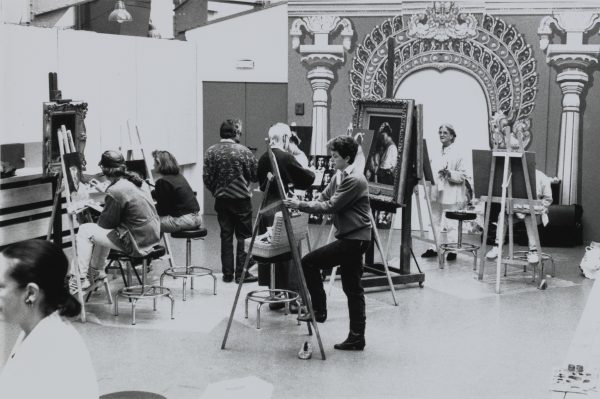
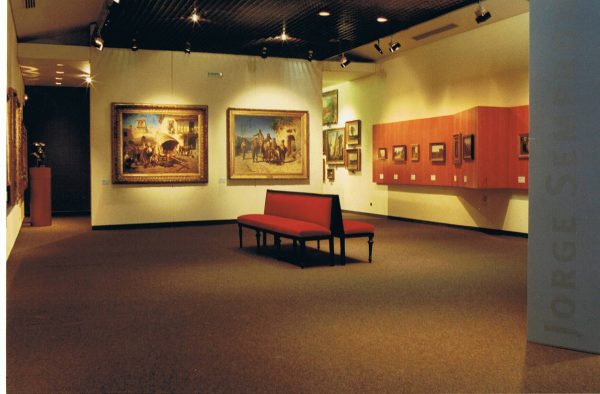
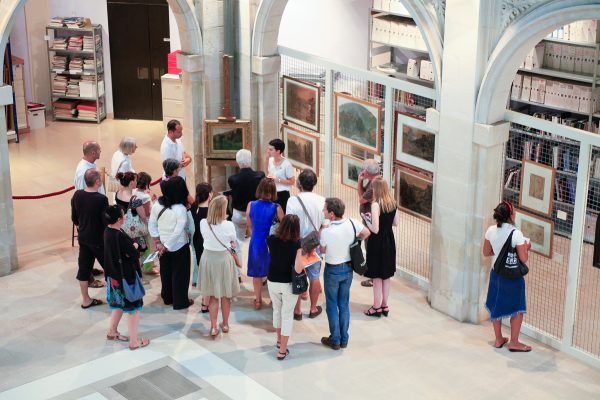
- Major exhibitions, such as Picasso’s Toros y toreros and the unprecedented reinstallation of the collections by Jorge Semprún (1923–2011) in 1999, marked important milestones in the museum’s history. At the same time, the museum’s staff developed numerous initiatives to make the museum accessible to all audiences.
- Beginning in 1988, the donation of Paulette Howard-Johnston (1904–2009), daughter of the painter Paul Helleu (1859–1927), established the museum as one of the leading centres for the study and appreciation of the artist’s work. The museum’s holdings of works by Paul Helleu were further enriched by donations and bequests from Paulette Howard-Johnston’s nieces, Éliane Orosdi and Ghislaine de Kermaingant, between 1994 and 2002. Following Paulette Howard-Johnston’s death in 2009, the Bonnat Museum was named the beneficiary of her collection in her will, and more than 300 additional works entered the museum’s collections.
- In 2011, the museum closed for renovation. Following the final bequest made by the Helleu family, it was renamed the Bonnat-Helleu Museum.
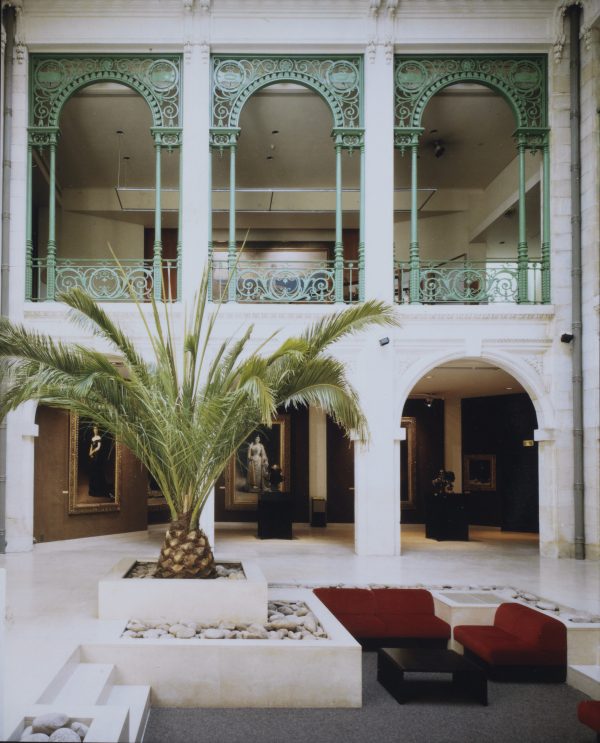
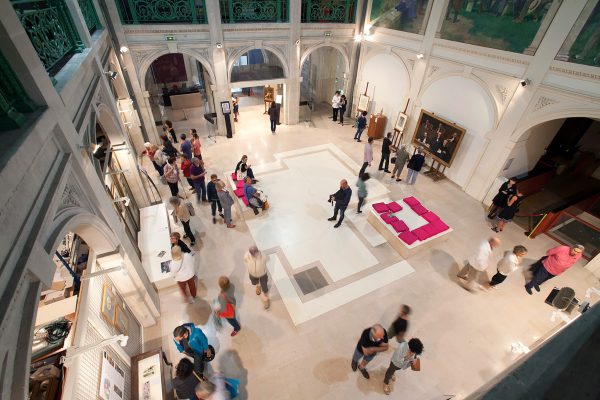
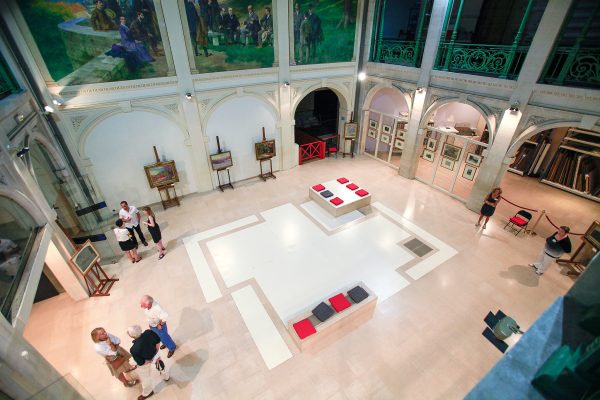
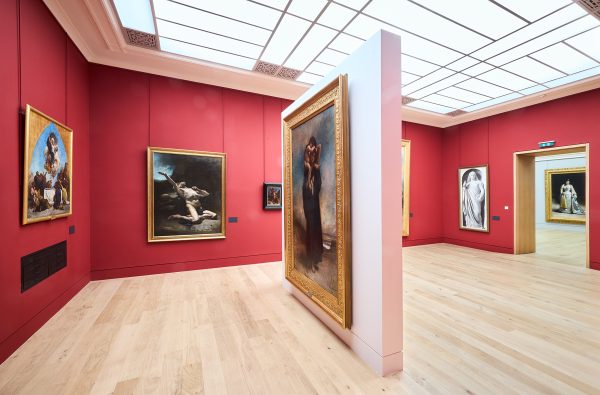
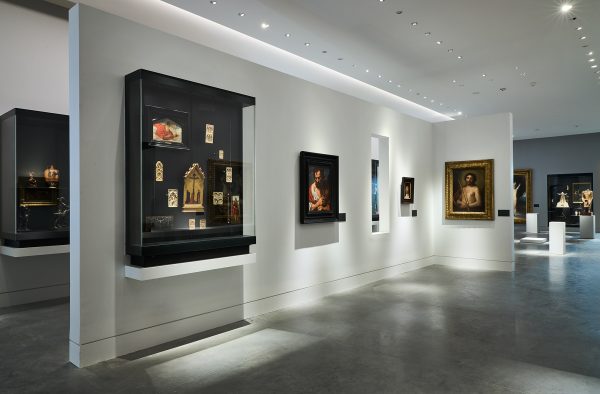
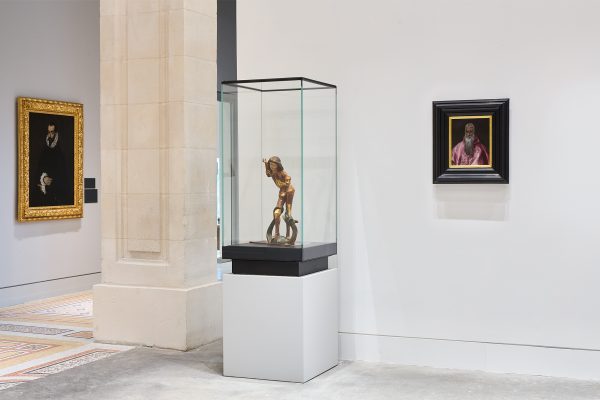
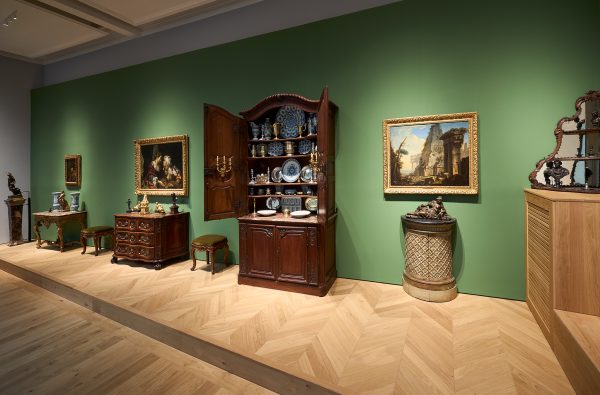
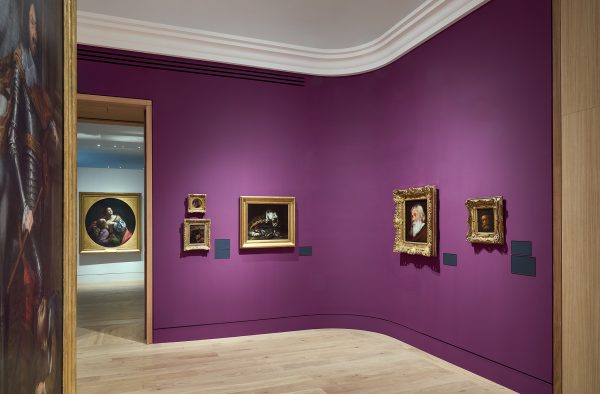
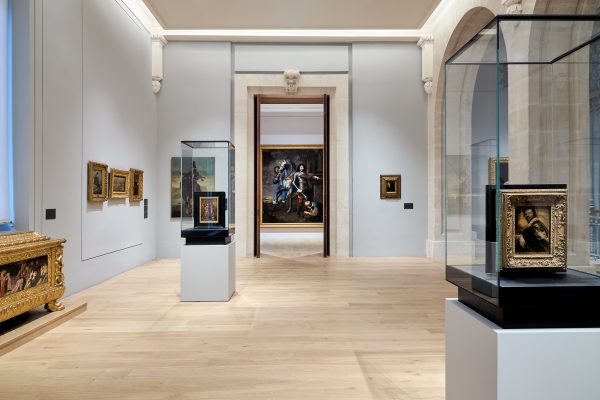
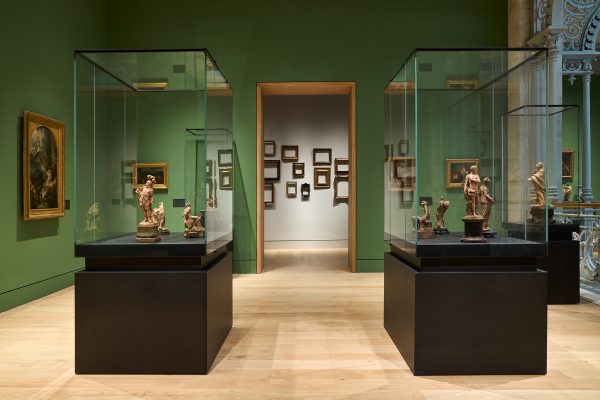
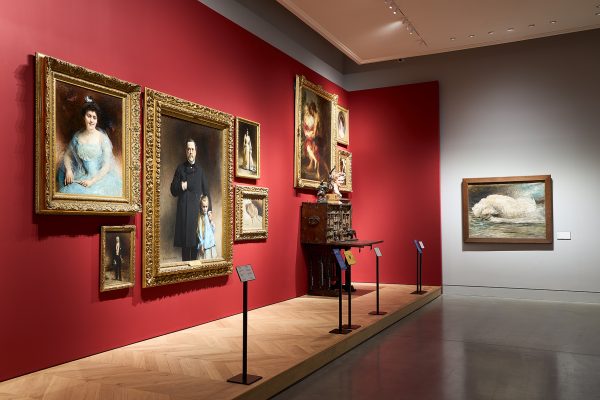
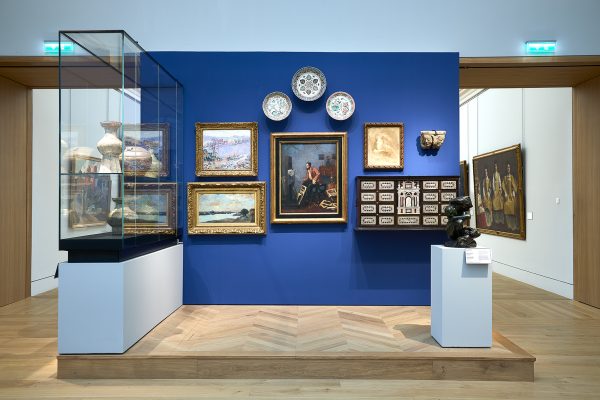
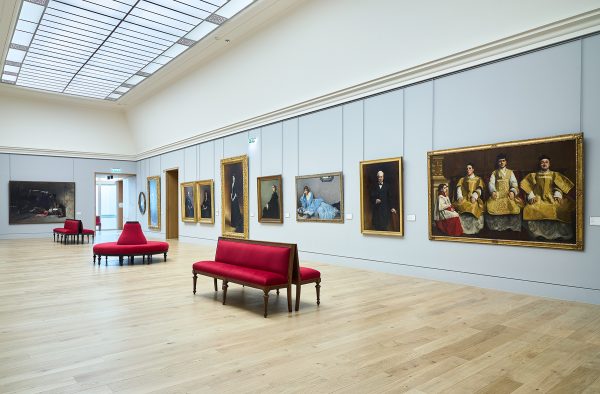
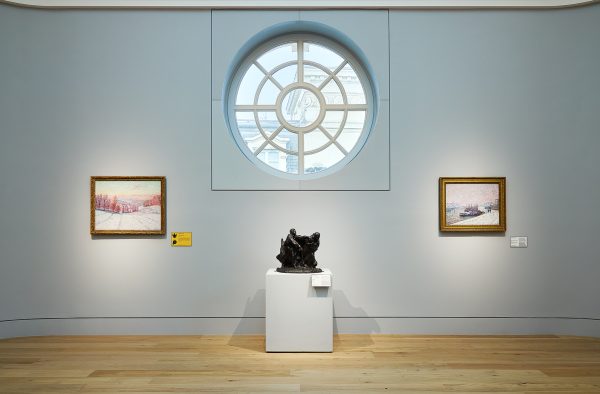
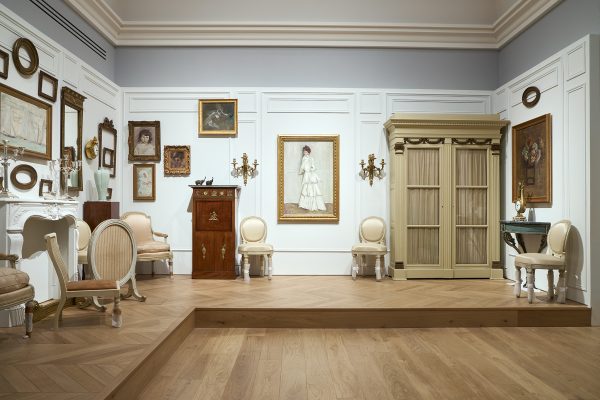
- An ambitious architectural project was then launched to meet the dual challenge of preserving and enhancing the collections. At the same time, an exceptional conservation programme was undertaken: more than 1,300 works were restored, while the museum’s spaces were completely redesigned to bring the institution into the twenty-first century. The neighbouring school building was incorporated into the historic museum, doubling the exhibition space and providing collection storage facilities that meet modern conservation standards.
- In preparation for the reopening of the Bonnat-Helleu Museum, the City of Bayonne and the Louvre Museum entered into an ambitious partnership to promote the museum’s collections to the widest possible audience. The Bonnat-Helleu Museum is also the largest repository of works on deposit from the Louvre anywhere in France. This partnership agreement paves the way for a fruitful collaboration between the two museums.
- Le musée Bonnat-Helleu rouvre ses portes au public le 27 novembre 2025.